How 24 students turned a problem at their own school into a complete engineering project.
Problem-Based Learning (PBL) shifts education from theoretical exercises to solving real-world challenges. At Nelson Mandela School, the problem was unmistakable: 266 cubic metres of firewood burned every year while tens of thousands of kWh of solar power went unused.
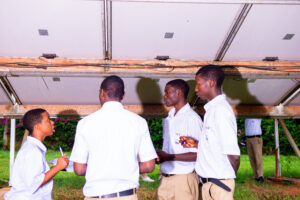
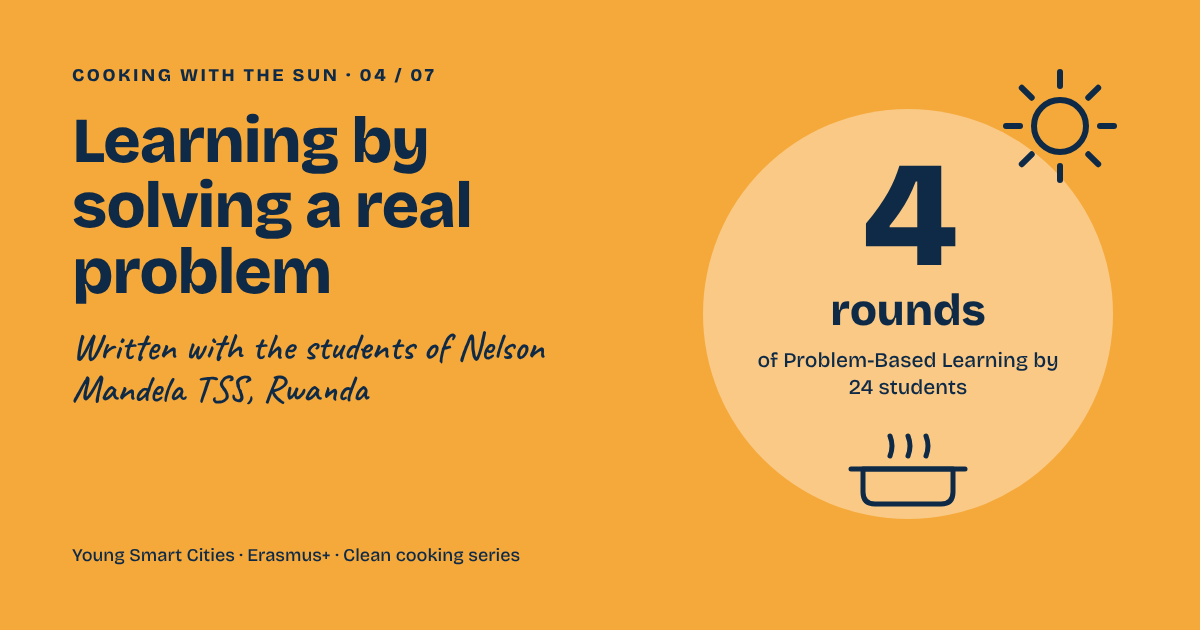
Twenty-four Level 4 and Level 5 students from the Department of Electrical Technology divided into six working groups. The engineering workflow was executed across four structured project rounds:
- Round 1 – Surplus Energy Audit: Students verified historical solar generation across all three inverter microgrids, applied system loss factors, and calculated the net 52,606 kWh annual surplus
- Round 2 – Equipment Allocation: The team selected commercial electric cookers based on institutional menu demands and matched each appliance to the exact electrical capacity of the three inverter systems.
- Round 3 – Field Data Collection: Using structured questionnaires, students collected baseline kitchen metrics: daily meal counts, biomass consumption rates, labor hours, and health/safety records .
- Round 4 – Impact Assessment: Students completed a comprehensive financial cost-benefit analysis, calculated payback timelines, estimated forest preservation impact, and modeled labor safety improvements.
Each phase required hands-on technical skills: auditing inverter displays, calculating circuit breaker ratings, conducting surveys, and structuring capital budgets. The final result is not an abstract assignment, but an actionable engineering masterplan ready for institutional implementation.
| “When students tackle real challenges affecting their own school daily life, textbook theories transform into genuine engineering competency. They stop memorizing and start innovating.” — Canisius Matsungo, Renewable Energy Department Teacher . |