24 students, 6 groups and one simple question: why do we cook with firewood when the sun is already on our roof?
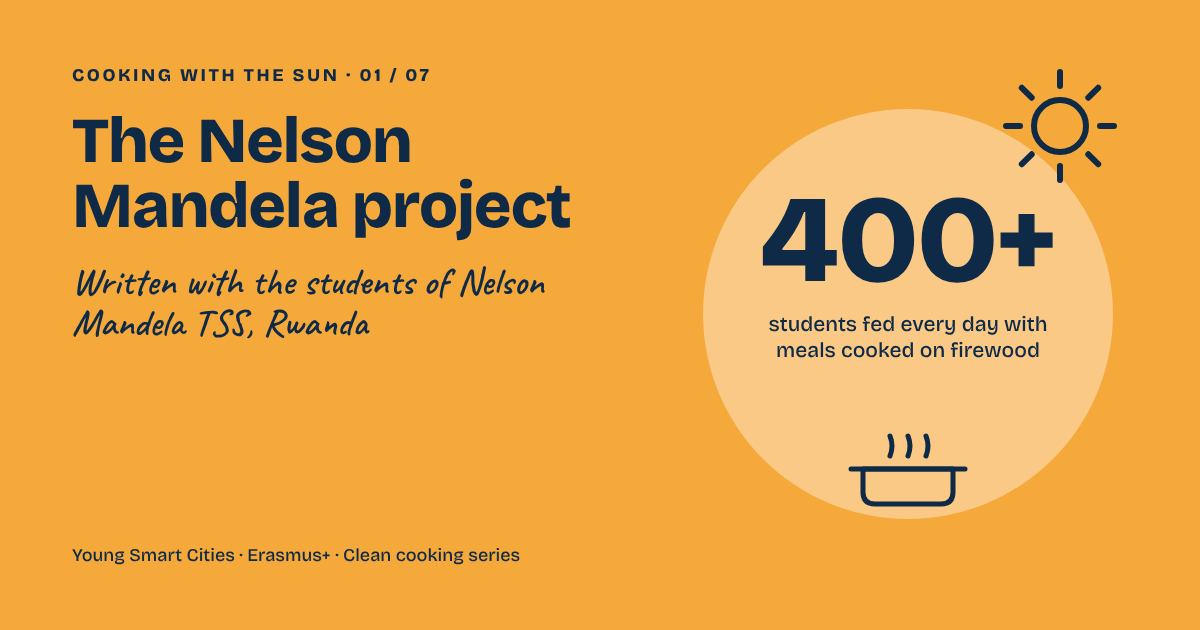
Every day, the kitchen of Nelson Mandela Technical Secondary School in Rwanda prepares meals for more than 400 male and female students. To do this, it burns about 1 cubic metre of firewood per day, across 266 active school days a year.
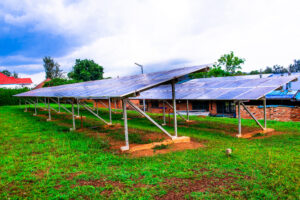
Yet the school roof already carries a 45 kWp solar photovoltaic installation, split into three inverter systems. It produces far more energy than the school currently uses.
“Cooking with the Sun” grew out of this contradiction. It is a Problem-Based Learning (PBL) project carried out by Level 4 and Level 5 students from the Department of Electrical Technology. A total of 24 students worked on it, divided into 6 project groups. The presentation of the final solution was led by student Jean de Dieu Nkurunziza.
The task was practical: find out whether the solar energy already available on the roof can replace firewood in the kitchen. The students collected field baseline data, measured panel output, selected suitable commercial electric cookers, and calculated the full financial and environmental costs and benefits.
The answer is a clear yes. The solar surplus is enough to run five energy-efficient electric cookers without generating a single extra kWh. The investment pays for itself in just over three years, and the kitchen would stop burning hundreds of trees every year.
In the next posts, we will explain the project step by step: the numbers, the method, the technology, and the people.
| “When we looked up at our own roofs and saw massive solar arrays generating power that simply went unutilized while our kitchen burned stacks of firewood every day, we knew as electrical students that we had to design a practical engineering solution.” — Jean de Dieu Nkurunziza, Lead Student Presenter.
|