
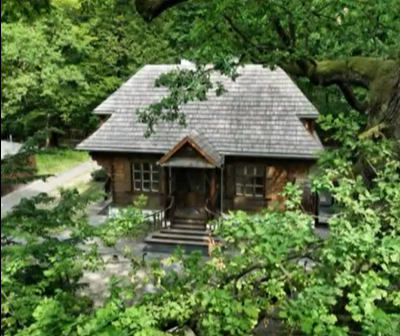
Some buildings carry more than bricks and wood. They carry stories, names, and the memory of people who shaped the places we live in. The house of Zośka, in the municipality of Piaseczno near Warsaw, is one of those buildings.
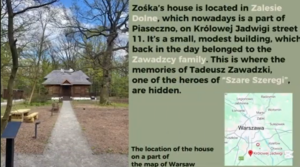
Two classes from PALO (Prywatne Akademickie Liceum Ogólnokształcące) in Piaseczno, 7C and 7D, took on this place as a starting point for exploring one of the core ideas of the Young Smart Cities project: that the way we treat old buildings says something about the kind of cities we want to build. Renovating and revitalising historic structures is not just a matter of heritage preservation—it is also one of the most effective responses to the environmental challenges cities face today, from reducing embodied carbon to limiting construction waste.
True to the project’s problem-based learning approach, the students were not handed a script to follow but a real-world question to work through on their own: how do you turn a local building’s history into a story worth telling, and what does it take to actually make that happen? There was no single right answer, so each class organised itself to find one. Students split into small working groups, each responsible for a different piece of the puzzle: visiting the site to gather photos and footage, researching the building’s history—drawing also on Kamienie na szaniec (Stones for the Rampart), a book studied in class—writing and translating the text, and editing everything into a finished video with student voice-over. Along the way, they had to make their own decisions: how to divide the work, how to approach each task, and whether what they were producing actually matched what they had set out to do, checking in with each other at every stage and adjusting as they went.
The result is two short films that are also two acts of attention: to a building, to a community, and to the memory of those who came before us—made by students in Piaseczno who were trusted to find their own way there.