
In our recent Grade 9 Interdisciplinary Unit (IDU), students combined Individuals and Societies (I&S) and Language Acquisition (LAC) to explore how “Smart City” initiatives in Paris require new forms of communication and linguistic adaptation. Using the Young Smart Cities platform and learning resources, they investigated how citizens interact with technology and how urban systems like green transport or the RATP can be made accessible to all residents. The unit, titled “Smart Paris,” focused on the interdependence between a city’s infrastructure and its inhabitants.
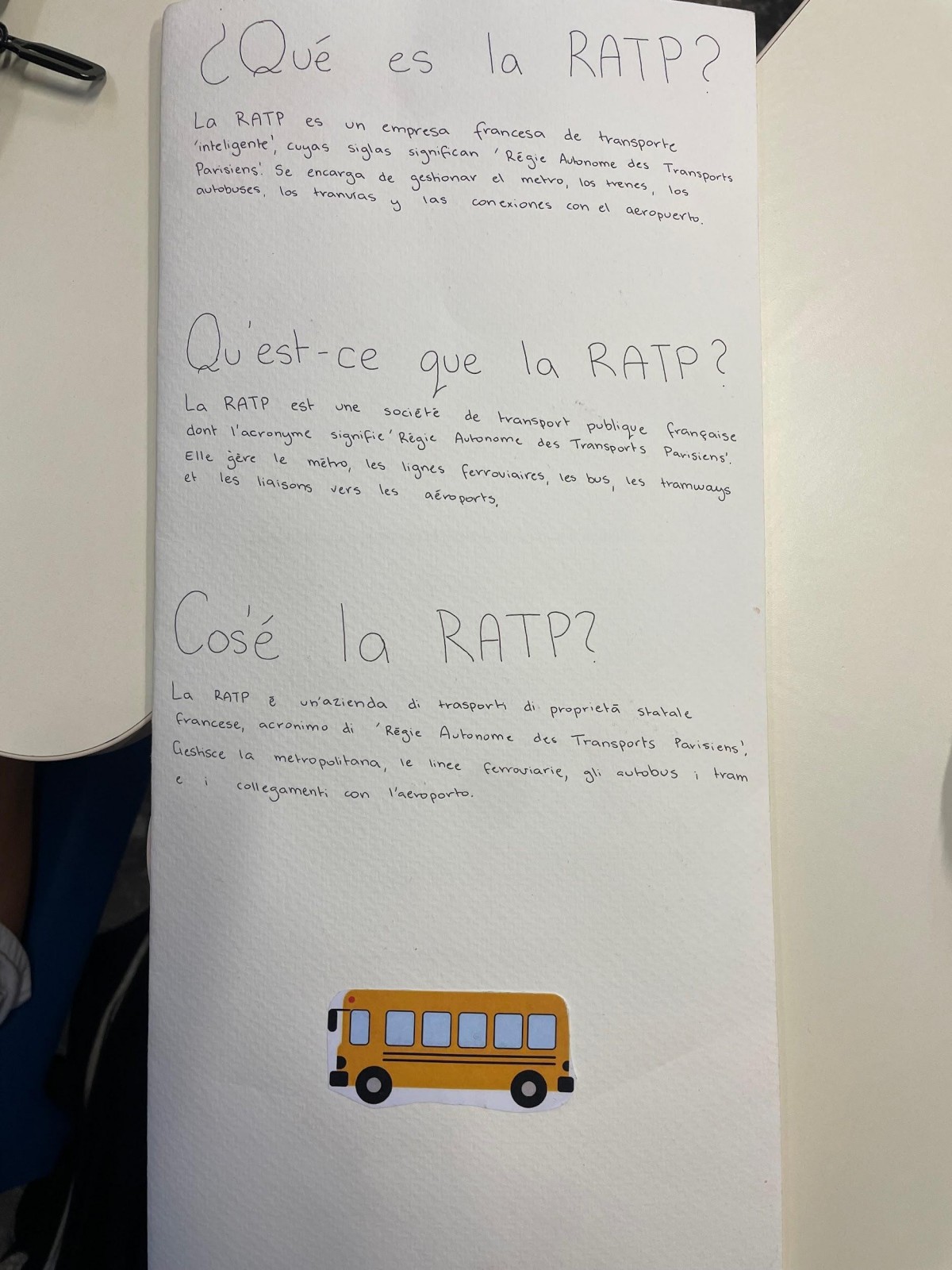
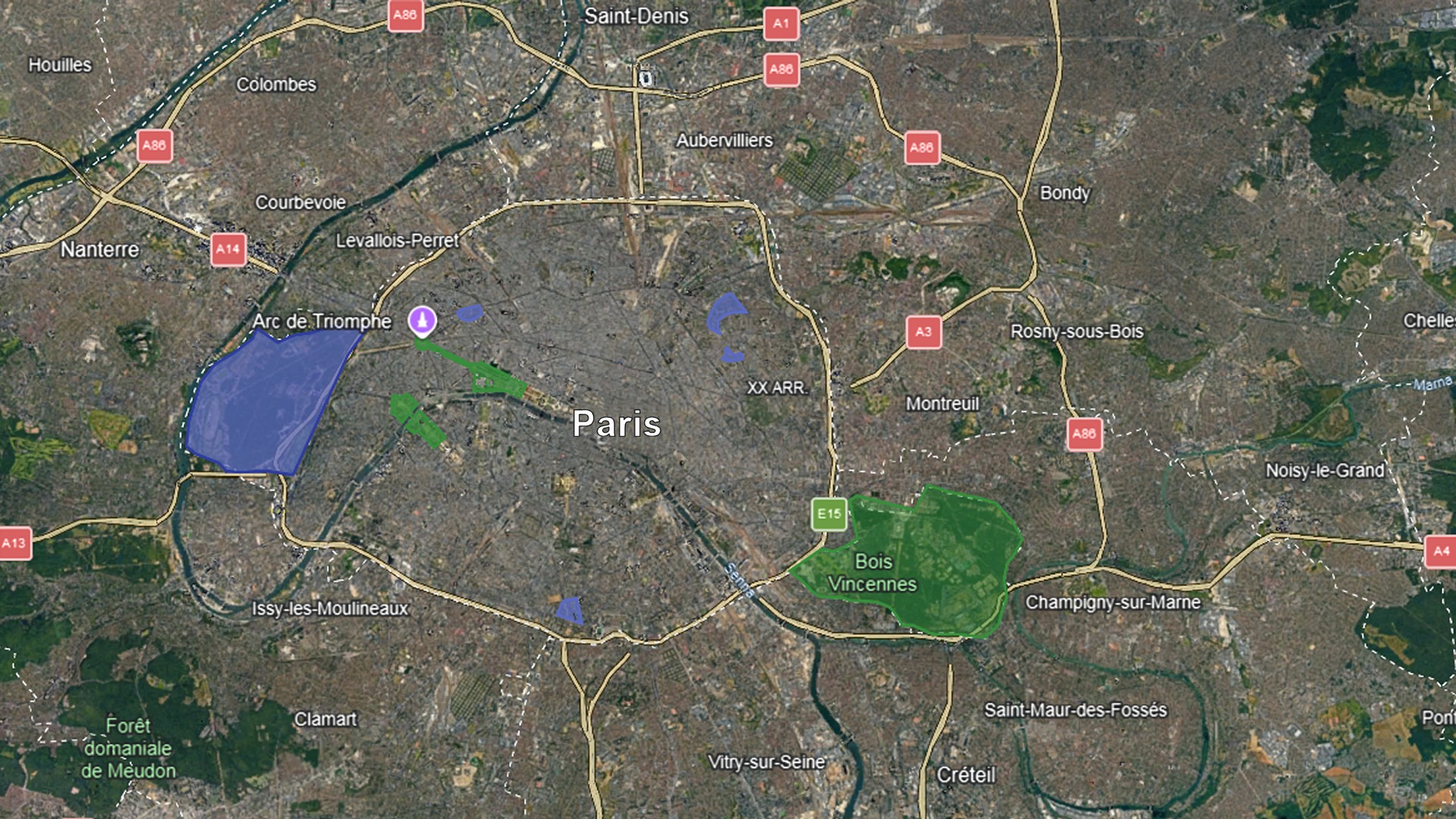
The students’ task was to create multilingual guides for specific neighborhoods in Paris, integrating geographic research with language skills. Projects ranged from mapping green spaces to practical service guides. For instance, one student developed an interactive map using Google Earth (available here: https://earth.google.com/earth/d/1c1EJzpxB3y9lOx-SYsRlm7S8qcUUcdmz?usp=sharing) to showcase Paris’s greening projects, such as the “Oasis Schoolyards” and pedestrianized “School Streets”. Another student, created a digital multilingual bathroom guide for the 7th Arrondissement, ensuring tourists have the necessary French, Spanish, and Italian vocabulary to access public facilities effectively.
This learning situation moved beyond the classroom, turning the upcoming trip to Paris into an active data-gathering exercise. Students discovered that solving complex real-world problems requires a synthesis of disciplinary knowledge, including research, critical thinking, and design. We are proud of how our learners applied their skills to envision a more sustainable and accessible urban future, and we look forward to seeing them test their guides on the streets of Paris.